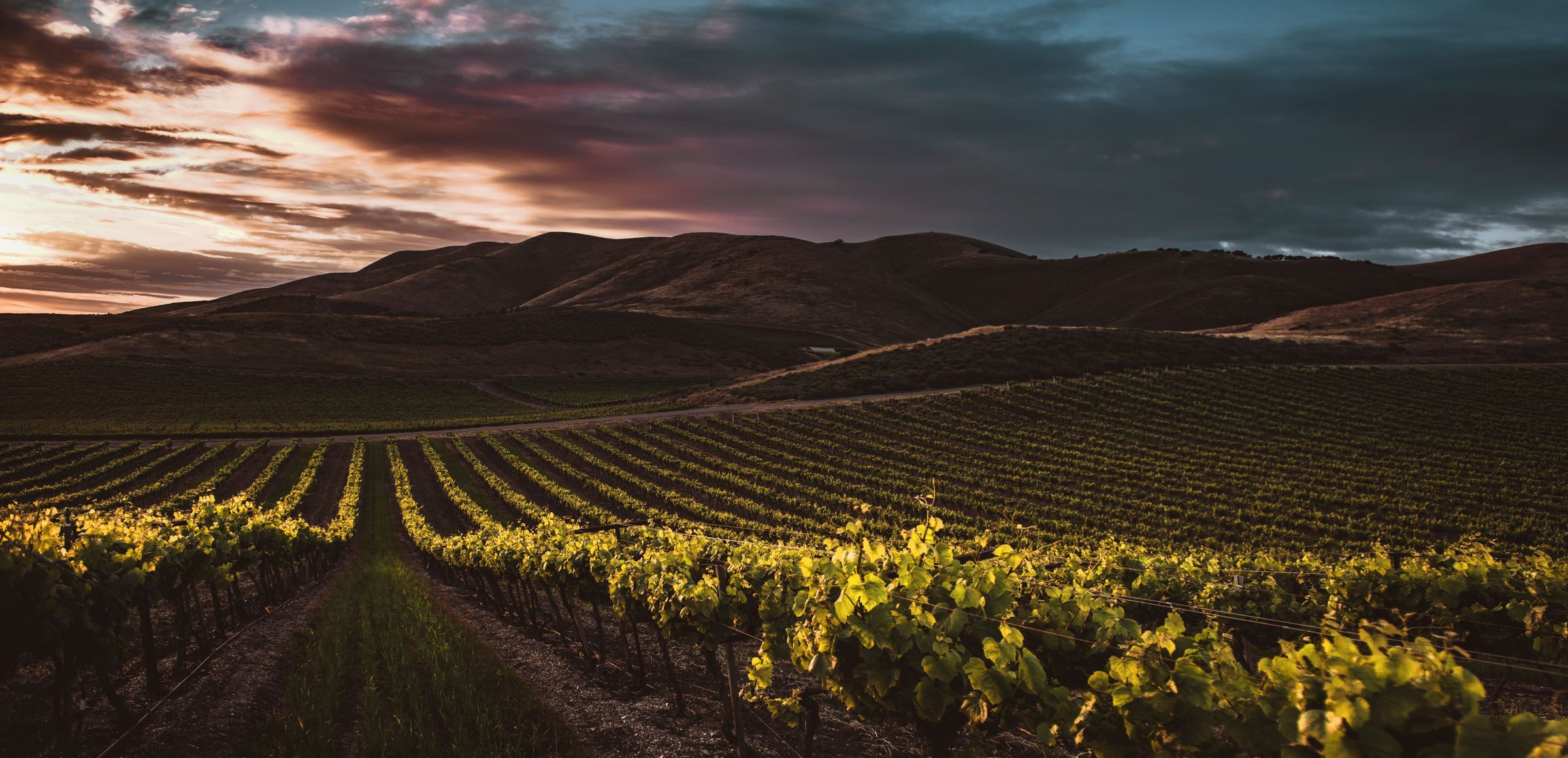
Sonoma County is large, varied and spread out. That is its strength for a wedding: you can choose a warm inland valley, a cool vineyard near the bay, a redwood-shaded river town or a windy coastline, all in one county. It is also the main planning trap. Guests underestimate how far apart things are, and a weekend that hops between subregions turns into a weekend in the car.
Our short advice: pick one part of the county as your home base, then choose a venue, lodging and weekend events that all sit within it.
The subregions, and who each one suits
Healdsburg, Dry Creek Valley and Alexander Valley
Healdsburg is a walkable small town with a central plaza, restaurants, tasting rooms and boutique hotels. Dry Creek Valley runs northwest from town and Alexander Valley spreads east and north toward Geyserville. Together they give you the most complete wedding-weekend setup in the county: winery and estate venues a short drive from a town where guests can walk to dinner.
It suits couples who want a polished, food-and-wine weekend and guests who will happily spend money on dinners and tastings. Lodging in town fills early for fall dates and can be expensive. For dining and visitor planning beyond the wedding itself, Visit Healdsburg keeps restaurant, winery and itinerary guides for the area.
Sonoma Valley (Sonoma, Glen Ellen, Kenwood)
The Sonoma Valley runs north from the town of Sonoma, with its historic plaza, through Glen Ellen and Kenwood. It feels more established and a little more relaxed than Healdsburg, with longtime family wineries, a walkable plaza ringed by restaurants and tasting rooms, and resort hotels nearby.
It suits couples who want a classic wine-country look with easy access from San Francisco and the East Bay. The southern end of the valley is the closest part of the county to the Bay Area.
Russian River Valley and west county
West of Santa Rosa, the Russian River Valley and the towns around it (Sebastopol, Forestville, Guerneville, Occidental, Freestone) trade polish for redwoods, river beaches, apple country and a laid-back feel. This is Pinot Noir and sparkling wine territory, and fog often reaches it on summer mornings.
It suits couples who want a relaxed, outdoorsy weekend with river days, farm venues and casual dining. Lodging is more scattered: small inns, cabins and vacation rentals rather than big hotels, so expect more transport planning.
Carneros (Sonoma County side)
Carneros straddles the Sonoma and Napa county line at the north edge of San Pablo Bay, south of the town of Sonoma. It is cooler and breezier than the inland valleys and known for sparkling wine and Pinot Noir. It is the shortest drive from San Francisco of any wine area in the county.
It suits couples whose guests are mostly Bay Area locals, and anyone who wants open vineyard views with a softer afternoon temperature.
Santa Rosa and Petaluma
Santa Rosa is the county’s largest city and its practical hub: the airport, the most hotel rooms, and a wide range of restaurants for rehearsal dinners. Petaluma, to the south, has a historic downtown on the river with good restaurants and easy freeway access to Marin and San Francisco. Neither is a classic wine-country postcard, but both make sensible home bases for big guest lists and tighter budgets.
The Sonoma Coast
The coast, around Bodega Bay and Jenner, is dramatic and cool. Coastal mornings are often foggy and the coast stays much cooler than the inland valleys. It suits small weddings and elopements more than large receptions, and guests need to be told plainly that it will feel cold in the evening even in summer.
Seasons and weather
The county tourism office describes a pattern couples should plan around: maritime fog in the morning that usually burns off around midday, inland valleys that heat up while the coast stays cool, and weather that can change quickly. It publishes these average figures:
| Inland high / low | Coast high / low | |
|---|---|---|
| January | 58°F / 36°F | 56°F / 35°F |
| July | 90°F / 52°F | 80°F / 48°F |
Two things follow from that table. Summer days inland can be hot for a ceremony in full sun, and summer nights can drop fast. Plan shade and water for an afternoon ceremony, and tell guests to bring a layer for the evening.
Rain. The county averages roughly 25 to 30 inches of rain a year, mostly from November through April. A winter or early spring wedding can be beautiful and better value, but it needs a real indoor or tented plan, not a hopeful one.
Harvest. Grape harvest generally runs from late summer into October. Fall (the tourism office says September through November) is the most popular season for outdoor weddings. Expect higher lodging rates, minimum-night stays and busy tasting rooms on weekends, and know that some wineries have less flexibility for events during the busiest weeks.
Spring and early summer. April through June gives green hills, long days and fewer crowds than harvest. Rain is still possible in April.
Wildfire and smoke: plan for it like weather
Sonoma County has had serious wildfires, and smoke from fires elsewhere in Northern California can drift in during late summer and fall. You cannot predict it, but you can plan for it.
- Know your indoor option. Ask every outdoor venue what happens if air quality is poor on the day: an indoor room, a tent with sides, or a reduced plan.
- Read the contract. Ask how the venue and your key vendors treat a cancellation or change caused by smoke, fire or a public safety power shutoff. Our venue contract checklist covers the questions to ask, and a lawyer can confirm what a force majeure clause really covers.
- Point guests to official tools. The county’s emergency site recommends checking the AirNow fire and smoke map and signing up for SoCoAlert and Nixle alerts. It also notes that N95 respirators protect against smoke while cloth and surgical masks do not.
- Think about vulnerable guests. The county notes that smoke is a particular risk for children, older adults, pregnant people and anyone with heart or lung conditions. A quiet indoor room at the reception helps.
- Consider wedding insurance that names weather and evacuation, and read the exclusions before you buy.
Flying in
Charles M. Schulz Sonoma County Airport (STS) in Santa Rosa is the closest airport to almost every venue in the county. It lists nonstop service from Alaska, American, Delta and Southwest to a set of western cities, including Los Angeles, San Diego, Seattle, Portland, Denver, Phoenix, Las Vegas and Dallas. Routes change seasonally, so send guests to the airport’s own site to check. Rental cars, rideshare and taxis are available at the terminal.
San Francisco (SFO) and Oakland (OAK) offer far more flights. From either, guests can rent a car or take a scheduled airport shuttle: Groome Transportation runs daily shuttles from SFO and OAK to stops at the Sonoma County airport, Santa Rosa, Rohnert Park and Petaluma. Traffic leaving the Bay Area on a Friday afternoon can be heavy, so encourage guests to arrive earlier in the day.
Getting guests around
Sonoma County is driving country. Public transit exists but will not carry guests from a hotel to a vineyard venue at night.
- SMART train runs along the Highway 101 corridor, with stations including Larkspur, Petaluma, Santa Rosa, the Sonoma County Airport and Windsor. A Healdsburg extension is planned but not yet open. It is useful for guests arriving from Marin or the ferry, less so for wedding-day logistics.
- Shuttles for the wedding itself. For any venue outside a walkable town, we would book a guest shuttle between your main hotels and the venue. Many venues require or strongly prefer it because of parking limits. Our wedding transportation guide walks through counts, timing and loops.
- Tasting days. Anyone planning to taste should not drive. Licensed tour companies and drivers run private group days across the county; see our weekend guides for how to plan one.
- Distance. Do not promise guests a drive time between towns. Tell them which town to stay in, give them the venue address, and let them check a map for their own travel day.
Sonoma or Napa?
Many couples weigh the two. Napa Valley is more compact and better known, with a dense run of famous wineries along one valley. For an actual wedding at a winery, though, it is the harder choice. Napa County’s Winery Definition Ordinance treats weddings as a commercial use, and local reporting in 2025 noted that most Napa wineries cannot host weddings, with a small number of older wineries as exceptions. Many can still host rehearsal dinners or smaller gatherings, and Napa hotels do host weddings. Sonoma County wineries also work within county permits, and some well-known Sonoma estates say plainly that they cannot host weddings either (Kendall-Jackson’s estate is one), so confirm permission with every venue in either county. Napa is not a launch market for this guide, so our listings focus on Sonoma.
Where to go next
- Where to stay: choosing a home base and setting up room blocks.
- Wedding weekend itinerary: Friday to Sunday, with a wedding-day timeline template.
- Rehearsal dinners and welcome parties and brunch.
- Before you sign anything, read about winery wine and corkage rules, venue curfews and vendor restrictions.
Questions
What is the most popular time of year for a Sonoma County wedding?
Fall harvest, roughly September through November, is the most popular season for outdoor weddings according to the county tourism office. It is also the busiest and most expensive stretch for lodging and tastings, so book early.
Which airport should Sonoma wedding guests fly into?
Charles M. Schulz Sonoma County Airport (STS) in Santa Rosa is the closest, with nonstop flights to a set of western cities. Many guests will still fly into SFO or OAK for more choice, then use a scheduled airport shuttle or a rental car.
Should we worry about wildfire smoke?
Plan for it the way you plan for rain: know your venue's indoor or tented backup, ask how the contract treats an air quality cancellation, and point guests to the county's alert and air quality tools. Smoke is most likely in late summer and fall.
Is Sonoma or Napa better for a winery wedding?
For a ceremony and reception actually held at a winery, Sonoma County usually offers more options. Napa County's winery rules mean most Napa wineries cannot host weddings, though many can host smaller related events.
Sources
- Sonoma County Tourism: Wedding climate
- Charles M. Schulz Sonoma County Airport
- STS Ground Transportation
- Groome Transportation: Sonoma County airport shuttle
- SMART (Sonoma-Marin Area Rail Transit)
- SoCo Emergency: Air quality
- Inside Napa Valley: Land use rules limit weddings in wine country (2025)
- Kendall-Jackson FAQ
- Visit Healdsburg
Last reviewed November 2026. General information, not legal, financial or safety advice. Businesses mentioned are independent of Vineyard Bridal; confirm details, availability and terms directly with them. Editorial standards